Cheese Pizza Boulder, Colorado: The Ideal Meal After a Hike
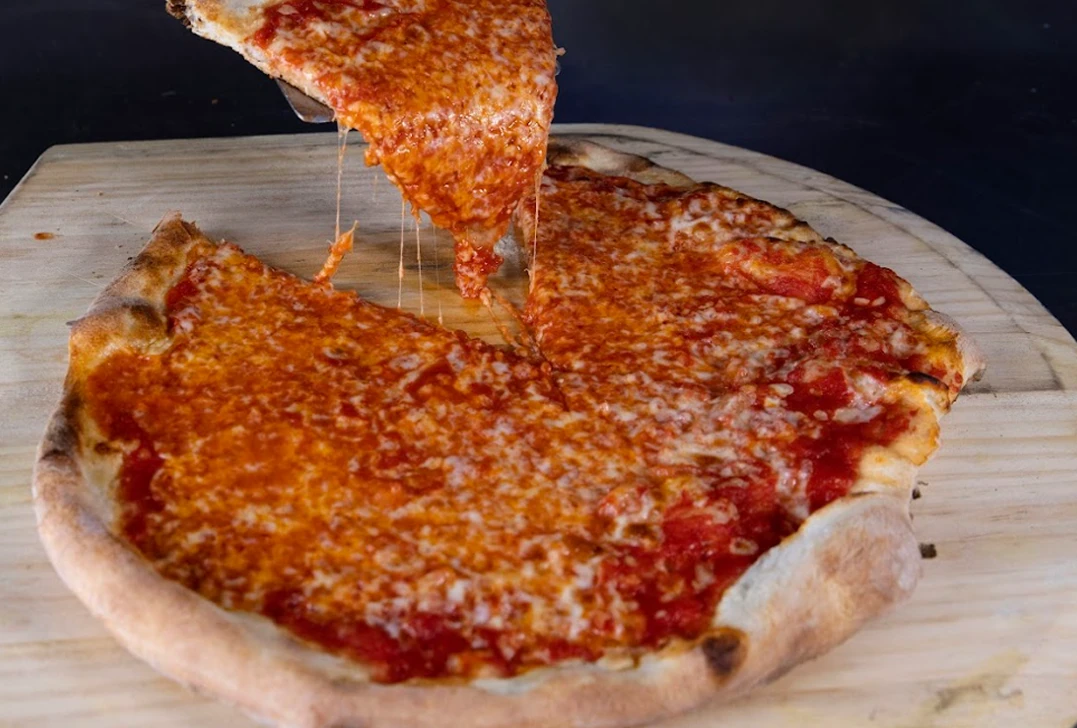
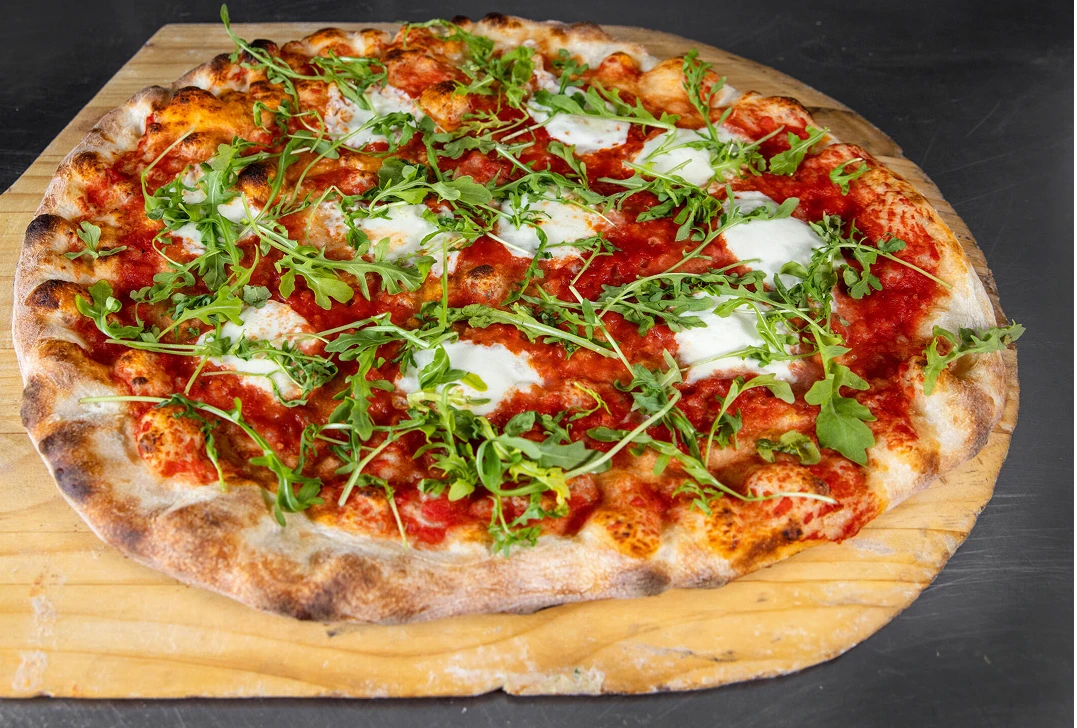
There is a specific kind of hunger that shows up after a hike in Boulder. It is not the polite sort that asks for a snack and a glass of water. It is a full-body appetite, the kind that arrives after a long climb up Flagstaff, a dusty loop in Chautauqua, or a windier-than-expected morning on Mount Sanitas. Your legs are tired, your shoulders still remember the straps of your pack, and even if you packed almonds, fruit, or a sandwich, you are ready for something hot, salty, and deeply satisfying.
That is where cheese pizza earns its place.
People like to overcomplicate post-hike food. They talk about recovery bowls, elaborate protein orders, or whatever trend is moving through fitness culture that month. Those meals have their place. Still, if the goal is to land somewhere comforting, filling, and reliably good after a day on Boulder’s trails, a plain cheese pizza often beats them all. It delivers carbs, fat, salt, heat, and that hard-to-measure sense of reward that matters more than most people admit. After hours outside, simplicity tastes better than cleverness.
In Boulder, that truth feels especially clear. This is a town where outdoor life and food culture overlap constantly. People head straight from trailheads to patios, from summit photos to takeout counters. In that setting, Cheese Pizza Boulder, Colorado is not just a search phrase. It describes a real ritual, one that makes perfect sense once you have lived it.
Why cheese pizza works when your body is done climbing
After a hike, your body usually wants two things at once. It needs replenishment, and it wants comfort. Those are not always the same thing. A smoothie might check the nutrition box but leave you unsatisfied. A giant burger can hit the comfort note but feel too heavy, especially if you are still dehydrated or sun-warmed from the trail. Cheese pizza sits in a sweet spot between the two.
The crust gives you carbohydrates, which matter after any strenuous walk with elevation gain. In practical terms, that means your body gets an energy source it can use quickly. The cheese brings fat and protein, enough to make the meal feel substantial without turning it into a gut bomb, assuming the pizza is balanced and the slice is not buried under excess oil. The sauce adds acid and brightness, which sounds like a small point until you realize how much that acidity wakes up your palate when you are tired.
Then there is the salt. Hikers do not always think about it until the craving hits. A warm slice, with browned mozzarella and a slightly blistered crust, can feel almost medicinal after a sweaty afternoon. Your body has spent hours losing fluid and sodium, and while pizza is not a sports science product, it often gives you exactly the flavor profile you are instinctively reaching for.
It is also a meal that asks very little of you. That matters. Post-hike dining is not the moment for a complicated menu or a place that expects you to be polished. Pizza lets people walk in dusty, flushed, and happy. It is forgiving. You can split a pie with friends, eat one slice and pause, or demolish more than you planned because the day earned it.
Boulder is built for this kind of meal
Boulder has a particular rhythm. Mornings start early. Parking lots at popular trailheads fill fast. By late afternoon, the town has a familiar mix of athletes, students, families, and visitors all looking for food that feels earned. Cheese pizza fits that rhythm better than most meals.
The city’s outdoor culture shapes appetite in a direct way. Boulder hikers do not just stroll on flat park paths. Many local routes include steep grades, technical footing, high sun exposure, and weather that can shift quickly. Even moderate outings can leave you more depleted than expected, especially if you are coming from lower elevation or if you underestimated how dry the air would feel. That changes what sounds good afterward.
A plain cheese pizza also matches Boulder’s broader dining habits. This is a town that appreciates quality ingredients, but it also respects casual food when it is done well. You do not need twelve toppings to prove anything. Good dough, balanced sauce, real mozzarella, and proper bake time are enough. In fact, after a hike, extra toppings can work against the experience. Too much meat can feel dense. Piles of vegetables can slide off and turn a clean, satisfying bite into a fork-and-napkin project. Cheese pizza keeps the whole thing coherent.
That is not a small advantage when you are tired and hungry.
The best post-hike pizza is rarely the most complicated
People sometimes dismiss cheese pizza as the safe choice, the thing you order only when you cannot agree on toppings. That misses the point. Cheese pizza is the purest test of a pizza shop because there is nowhere to hide. If the dough is bland, you notice. If the sauce is too sweet, it takes over the whole slice. If the cheese is rubbery, greasy, or sparse, the pie feels off immediately. A good cheese pizza depends on fundamentals.
That makes it especially satisfying after hiking, because physical effort sharpens your senses in an uncomplicated way. When you have been outside for several hours, you are more likely to appreciate contrast and texture. A crisp bottom with a tender interior. A little char on the edge. Sauce that tastes of tomato rather than sugar. Cheese that stretches but still browns. These details matter more when you are hungry enough to pay attention.
In Boulder, where people tend to care about ingredients and preparation, the difference between an average cheese pizza and an excellent one is easy to taste. The best versions are not heavy-handed. They do not drown the pie in sauce or blanket it in cheese to compensate for weak dough. They trust proportion. That is the kind of pizza that restores rather than overwhelms.
Timing matters more than people think
There is a narrow window when post-hike pizza feels almost perfect. Too early, and you are still overheated, gulping water, maybe not ready for anything substantial. Too late, and the edge comes off your hunger, which can make the meal feel more ordinary. In my experience, the sweet spot is often about thirty to ninety minutes after finishing a hike, once you have cooled down, stretched a little, and had enough water to reset.
That timing changes the whole meal. If you sit down immediately after getting off the trail, especially in summer, even a great pizza can feel heavier than it should. But if you give yourself a little transition time, the appetite settles into something cleaner and more enjoyable. You stop eating out of emergency and start tasting the food.
This is one reason Boulder’s layout works so well for the hike-to-pizza routine. Many of the area’s best-known outdoor spots are close enough to town that you can finish a hike, head back, clean up if needed, and still catch that perfect hunger window. The meal becomes part of the day rather than an afterthought.
Not every hike creates the same pizza craving
A quick stroll and a five-mile climb do not produce the same kind of appetite, and one of the useful things about cheese pizza is how well it scales to the day you actually had.
After an easier outing, one or two slices might be enough, especially if you had a decent trail snack and are planning dinner later. On bigger days, the calculus changes. A long route with serious elevation, summer heat, or altitude adjustment can turn a single pie into a surprisingly reasonable order for two people. Visitors from sea level often underestimate this. Boulder’s elevation alone can make a familiar effort feel harder, and the dry climate can drain you faster than expected.
Season plays a role too. In winter, post-hike pizza feels almost elemental. Cold air, red cheeks, and a hot pie are a classic combination for a reason. In summer, the appeal shifts slightly. Then it becomes about salt, melted cheese, and the strange pleasure of sitting down indoors after bright sun and dusty trails. The meal is the same, but the emotional effect changes.
Even the trail itself matters. A rocky, steep, stop-and-start climb often leaves people craving comfort food more than a smoother, aerobic route does. Technical terrain asks for concentration as well as effort, and mental fatigue tends to increase the appeal of simple foods. That is another reason cheese pizza works. It does not ask you to make more decisions at the end of a decision-heavy day.
What to look for in a great post-hike slice
When people search for Cheese Pizza Boulder, Colorado, they are often really looking for a feeling rather than just a menu item. They want food that lands right after exertion. A few traits make a pizza especially good in that moment.
First, the crust should Cheese Pizza Boulder, Colorado have structure. A droopy slice can still taste fine, but after a hike, a little crispness improves everything. It makes the slice easier to eat, less messy, and more satisfying bite for bite.
Second, the sauce needs balance. If it is too acidic, it can feel sharp on an empty stomach. If it is too sweet, the pizza starts to taste flat by the second slice. Good sauce lifts the cheese without competing with it.
Third, the cheese should be generous but not excessive. This is where many places go wrong. People assume more cheese means more pleasure, but too much can make the pie greasy and tiring. Post-hike hunger is real, yet even then, restraint usually produces a better slice.
Fourth, the bake matters. A pale pizza can feel unfinished. A pie with a little color, some blistering, and proper melt gives you the aromas and texture that make pizza restorative in the first place.
Finally, temperature matters more than most diners realize. Pizza fresh from the oven is ideal, but not straight from the molten phase where the cheese slides off and burns the roof of your mouth. Give it a minute or two. That brief patience pays off.
Cheese Pizza Boulder, ColoradoThe social side of pizza after the trail
Part of what makes post-hike cheese pizza so ideal has nothing to do with nutrition. It is social architecture. Pizza turns a tired group into a contented one with very little friction.
Anyone who hikes with other people knows the end-of-day negotiation can be surprisingly difficult. One person wants something light, another wants something indulgent, someone else is too hungry to wait, and somebody inevitably says they are fine with anything right before rejecting five suggestions. Pizza solves most of that. Cheese pizza, especially, is the diplomatic order. Nearly everyone will eat it. It accommodates people who want simplicity, and it leaves room to add a salad, another pie, or a few extras if the group wants more.
There is also a shared rhythm to eating pizza that suits post-hike conversation. You do not disappear into your own plate in silence the way people sometimes do with more composed entrées. Slices are communal without being fussy. People can compare the steepest part of the route, laugh about the moment they missed a turn, pass around photos, and keep eating. The meal supports the debrief. It does not interrupt it.
That matters in Boulder, where outdoor experiences are often as much about community as exercise. Some of the most memorable meals are not the most refined. They are the ones that arrive after effort, with dusty shoes under the table and a group of happy, tired people reaching for the next slice.
A few practical habits improve the experience
The difference between a decent post-hike pizza stop and a truly satisfying one often comes down to small decisions made before you even order.
- Rehydrate before the first slice. Pizza tastes better when you are not trying to use it as a substitute for water.
- Do not over-order toppings if what you really want is comfort. Cheese pizza is often the right call because it stays balanced.
- If you had a very long or hot hike, consider eating slowly at first. The first ten minutes after a hard effort can make heavy food sit awkwardly.
- Share an extra pie only if the group is genuinely hungry. Tired hikers routinely overestimate what they will finish.
- If you are taking pizza to go, eat it while it is still hot. Cheese pizza loses some of its magic faster than more heavily topped pies do.
These are not rules, just patterns that tend to hold up. The core idea is simple. Let the meal meet the hike, rather than treating every trail day the same.
Cheese pizza holds up better than trendier choices
Boulder has no shortage of ambitious food. That is one of the city’s strengths. You can find grain bowls, seasonal plates, inventive sandwiches, and all kinds of health-conscious options that suit an active town. Yet the more time you spend around serious hikers, climbers, cyclists, and skiers, the more you notice something unfashionable: when people are actually hungry, they often circle back to the classics.
That is because classic foods survived for a reason. Cheese pizza is not trying to impress anyone. It is trying to satisfy. Those are different goals, and after a hike, satisfaction wins almost every time.
It also avoids a common trap in post-exertion meals, the sense that you are trying too hard to optimize. Outdoor culture can drift toward performance thinking, where every choice needs a recovery rationale. There is value in understanding what your body needs, of course. But there is also value in choosing food that makes the day feel complete. A good hike deserves a good finish. Pizza delivers that finish in a way many technically virtuous meals do not.
The pleasure is not incidental. It is part of why people return to the trail. Ritual matters. If the day ends with something warm, familiar, and genuinely enjoyable, the whole outing gains a stronger memory trace. You do not just remember the switchbacks or the view. You remember the first bite afterward.
Why Boulder and cheese pizza belong in the same sentence
There are places where pizza is just convenient, and there are places where it feels culturally right. Boulder falls into the second category, even if it is better known for mountains than mozzarella. The local mix of activity, altitude, casual dining, and ingredient awareness makes cheese pizza a natural fit.
The city also attracts people who understand earned appetite. That makes a difference. In some towns, a plain cheese pie might be treated as boring. In Boulder, after a morning in the Flatirons or an afternoon on foothill trails, it can feel exact. The best meals are often the ones that match the day without overexplaining themselves.
That is why the phrase Cheese Pizza Boulder, Colorado resonates beyond search engine logic. It captures a small but real truth about how people eat here. Not every meal needs to be inventive. Not every craving needs interpretation. Sometimes the ideal answer is the obvious one, provided it is done well.
The meal that feels like a reward
By the time a cheese pizza reaches the table after a hike, most of the work is already done. The miles are behind you. The climb is over. Your legs are still buzzing a little, and your face probably carries that wind-burned, sun-touched look that only time outdoors gives. In that moment, the meal does more than feed you. It marks a transition from effort to ease.
A good post-hike meal should feel deserved without feeling punishing. It should restore you without flattening you. It should be easy to share, easy to enjoy, and memorable for the right reasons. Cheese pizza, especially in a place like Boulder, checks those boxes with unusual consistency.
There are certainly other good meals to eat after a hike. A bowl of noodles on a cold day can be perfect. Tacos after a short afternoon trail can hit the spot. A burger now and then has its moment. Still, when I think about the meal most likely to satisfy across seasons, routes, group sizes, and appetite levels, cheese pizza stays at the top.
Simple food often reveals its value most clearly after hard effort. In Boulder, where the trails are close, the elevation is real, and people tend to live outdoors whenever they can, that truth shows up every day. Finish the hike, drink some water, find a good pie, and let the first slice do what it has always done best.
Brooklyn Pizza
Address: 1647 Arapahoe Ave, Boulder, CO 80302
Phone number: +17203282324
FAQ About Cheese Pizza Boulder, Colorado
What is usually on a cheese pizza?
A standard cheese pizza consists of a yeast dough crust, a seasoned tomato-based sauce, and melted mozzarella cheese.
What is a cheese pizza called?
A basic cheese pizza is simply called a cheese pizza, a plain pizza, or a plain pie.
What is the best recipe for cheese pizza?
The best cheese pizza recipe uses high-heat baking, a simple raw tomato sauce, and a mix of low-moisture and fresh mozzarella cheese on a homemade yeast dough.